
The importance of GMP audits for Human and Vet drug manufacturing
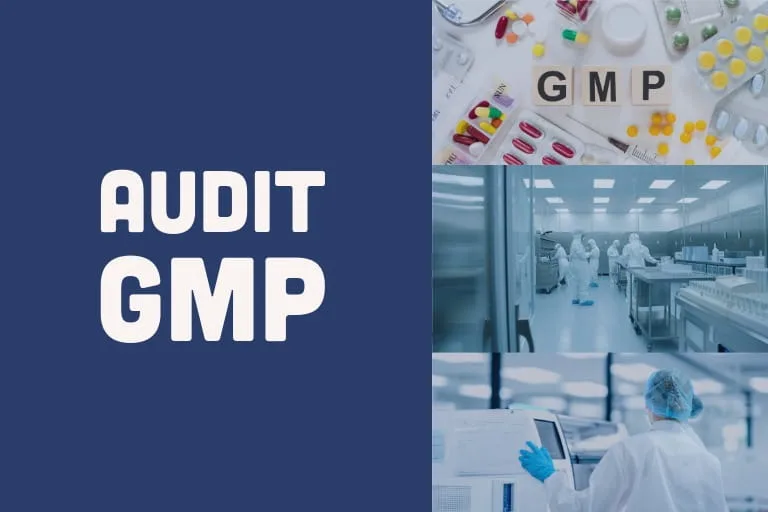
The verification of the compliance with the regulations in force, in particular with the Good Manufacturing Practice (GMP), Eudralex vol.4, via dedicated audits allows the systematic evaluation of manufacturing processes, operative procedures, manufacturing facilities and control systems adopted by Companies, and more generally the examination of the whole corporate quality system, ensuring at the highest degree that medicines for human and veterinary use are manufactured according to the strictest quality standards.
The Benefits for Businesses
Such activity, conceived to guarantee patient and animal health, presents some undeniable advantages for companies, such as a reduced risk that relevant problems arise for Marketing Authorisation (MA) holders of drugs and for the manufacturing sites themselves, for instance suspensions in manufacturing by Competent Authorities for deficiencies detected during inspections.
A careful direct evaluation of each process and step of drug manufacturing allows the identification of potential gaps or deviations from the regulations, promptly uncovering critical issues or risk areas within the quality system, thus helping companies in the implementation of appropriate corrective and preventive actions.
Essential tools for AIC holders
In addition, GMP audits are also essential tools for MA holders wishing to evaluate the robustness and reliability of external partners entrusted with outsourced manufacturing (CMOs – Contract Manufacturing Organizations; CDMOs – Contract Development and Manufacturing Organizations), keeping all outsourced activities under monitoring (Ref. Chapter 7 – Outsourced Activities) along with the compliance with the agreements.
GMP audits are usually carried out by qualified auditors with a sound experience in the field. In most cases, such verifications are performed on-site, directly at the manufacturing premises. In rare cases, they are carried out remotely, using digital tools to share documents and video links. However, although it was a precious tool to ensure manufacturing continuity during the Covid-19 pandemic, this way presents important limitations, since it is more difficult to examine the conditions of the manufacturing locations, the state of the equipment, the functioning of the machinery and the actual application of the operating procedures. Even when, for instance, Competent Authorities are forced to carry out remote inspections, they often require that an on-site verification takes place soon after. For instance, if the audit to be carried out is an actual regulatory requirement, and not only for suppliers’ quality assessment, Competent Authorities do not accept any more remote controls for critical activities, such as API manufacturing.
What is analyzed during a GMP audit?
In the course of a GMP audit, auditors examine with special attention the various key elements of the company manufacturing and quality system. The main aspects subject to verification include:
- Corporate Quality Management System: organisational structure, clear definition of responsibilities, in-house processes along with the bulk of the Standard Operating Procedures (SOPs) in force are examined; the personnel training management, recording and solution of Non Conformities, performance of in-house audits, product recall procedures are also evaluated.
- Manufacturing documentation: the completeness and accuracy of the site documentation (Site Master File and Validation Master Plan) are verified along with the documentation supporting manufacturing activities, such as batch records, traceability systems for materials and batches, as well as the compliance with the data integrity principles, that are essential to ensure the reliability of the recorded information, etc.
- Facilities, plants and equipment: the suitability of the manufacturing locations is evaluated as well as the state of plants and equipment, ordinary and extraordinary maintenance activities, any general conditions that may affect the quality of products etc.
- Manufacturing processes and quality controls: the processes concerning manufacturing and quality controls, the process validation, cleaning procedures, analytical method validation and more are examined.
What are the critical issues during GMP audits?
The main criticalities highlighted during GMP audits (or GMP inspections carried out by Competent Authorities) include:
- Gaps in the documentation regarding manufacturing processes, lack of records, incomplete records
- Lacks in the data integrity
- Personnel training and qualification not adequately documented or inadequate competence/training
- Issues on equipment and machinery (e.g. equipment calibration, maintenance not adequately planned or documented)
- Lacks in the management of Non Conformities, delayed or inadequate Corrective and Preventive Actions (CAPAs)
- Issues related to the supply chain or inadequate qualification of the suppliers of starting materials, packaging materials or critical services.
Di Renzo Regulatory Affairs has a dedicated unit with qualified experts fully dedicated to auditing and inspecting activities, dealing with GMP audit to Manufacturing sites of finished products, active pharmaceutical ingredients, in Italy and in other EU and extra- EU countries.

 Previous Post
 Next Post